
Over 20% of staff to go in major Canva restructure
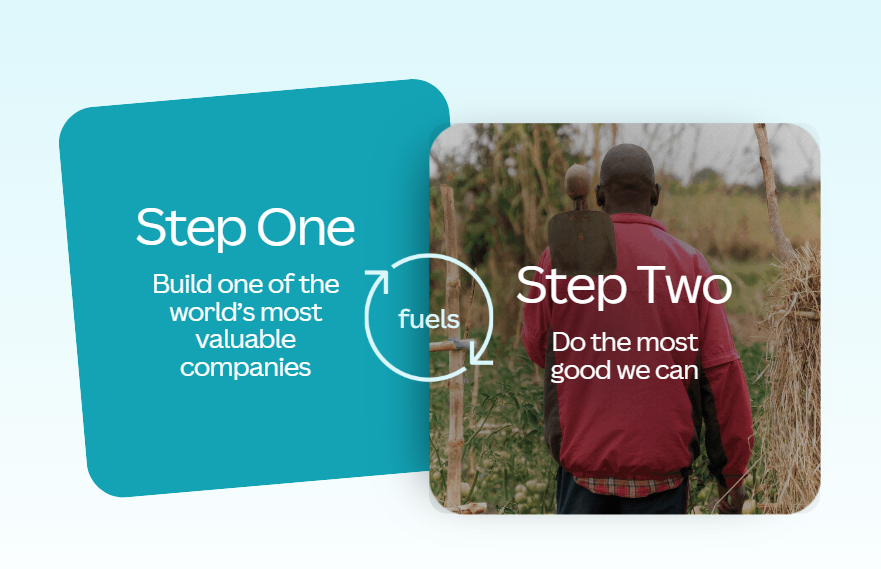
One of Australia’s most celebrated start-up success stories, tech giant Canva, has moved to cut almost a quarter of its staff (22% – 1,271 employees) in a sweeping restructure of its global operations that will ultimately see a new Sydney HQ near Central Station (at a reported cost of more than $120 million) become the main base for Canva’s product teams.
Canva was founded in 2013 and has grown to become one of the world’s most popular graphic design, photo and video editing platforms. The Australian Financial Review reported in April that the company, which is not publicly listed, had a valuation of about $US31 billion ($44.5 billion).
However, that was down from more than $US42 billion in 2025 as concerns lingered over how the firm would adapt to an artificial intelligence era where users can use other platforms to make content for free. The AFR reported on Tuesday afternoon, just hours before the restructure announcement went viral, that internal data showed Canva’s monthly active users have dropped by 12 million compared to this time in 2025 and that the company’s revenue of $US3.69 billion was now well behind its ‘foundational goal’ of $US5.2 billion for 2026.
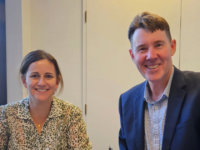
With this as the backdrop, co-founder and CEO, Melanie Perkins, delivered a long and clearly very considered message across the Canva Teams portal, outlining the need for the company to make redundant, relocate or re-deploy nearly a quarter of its workforce, describing the missive as ‘profoundly difficult news to share’ and ‘without doubt the hardest moment in our thirteen-year history’.
Addressing teams across 37 countries, the letter to staff said: ‘After months of thinking through how to set Canva up for the next chapter and exploring a wide range of alternatives, we’ve come to the difficult conclusion that small changes won’t be enough and have made the incredibly hard decision to make significant changes to how we’re organised, where some of our teams are based, and the roles and skills we need for the future.’
Signed simply ‘Mel’, the letter also acknowledged that the Canva journey to-date would not have been possible without the ‘talent, imagination and care of every single person who has been part of it’.
‘Yet success in our first chapter doesn’t guarantee success in the next. This has been our hardest year yet, and as we shared earlier this year, our growth has slowed for the first time in a decade…To set ourselves up for the next decade, we need to re-found Canva, getting back to our roots of small, empowered teams with the freedom to make decisions, take ownership and focus on what matters most for our community.’
The letter goes on to describe the three primary changes being invoked:
#1. We’re simplifying how we come together to build Canva
#2. We’re reducing subspecialisation and collapsing layers to broaden ownership
#3. We’re co-locating closely connected teams and increasing in-person collaboration
The letter concluded by communicating a significant raft of support initiatives and packages for those Canvanauts being made redundant, all of which indicate that the company seems genuinely keen to manage this situation with exemplary humanity and care. This includes the launch of a new Canva Collective Fund, ‘providing US$10,000 grants to departing Canvanauts who want to start something of their own’.
Perkins concluded the letter with a final global acknowledgement of the company’s success, saying that: ‘Hundreds of millions of people around the world have been empowered by what you’ve helped build, and I hope you know just how much of a difference you’ve made. I am deeply sorry this is how your chapter at Canva is ending. Please know these decisions do not diminish your talent, the value of your contributions, or the difference you’ve made here. We will do everything we can to support you in what comes next, and I hope the work we do from here will be worthy of what you’ve helped build.’